Image
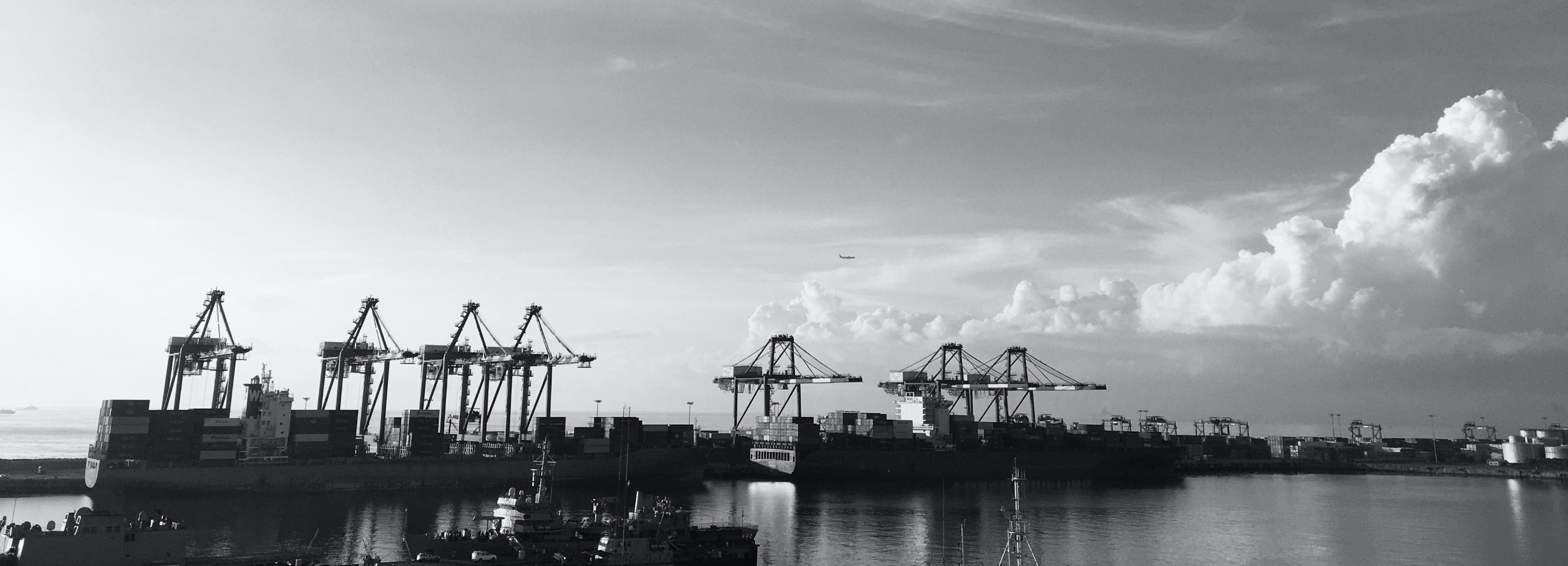

ITF data shows spiralling ship and seafarer abandonment at worst ever levels - Indian seafarers worst affected with more than 1,000 abandoned out of a total of more than 6,000 abandoned seafarers in 2025.
Seafarer abandonment hit record levels in 2025, according to new data compiled by the International Transport Workers’ Federation (ITF), with 6,223 seafarers abandoned across 410 ships.
Seafarer abandonment is in crisis, with the data marking the sixth year in a row that the number of vessels on which abandonments occurred has broken records and the fourth year in a row that the total number of seafarers abandoned has broken records: the numbers represent a 31% increase in such ship abandonments compared to 2024, and a 32% increase in seafarer abandonment.
ITF data, which will be submitted in a report to the International Maritime Organization (IMO) ahead of its discussion at a legal committee meeting this year, also shows that seafarers were owed a total of USD25.8 million in 2025 as a consequence of the abandonments. From this total, the ITF has recovered and returned USD16.5 million to seafarers.
It’s nothing short of a disgrace that, yet again, we are seeing record numbers of seafarers abandoned by unscrupulous ship owners,” said David Heindel, Chair of the ITF Seafarers’ Section.
"Every day, all around the world, seafarers face horrific violations of their human and labour rights, all so that bottom-feeding companies can make a quick buck at their expense. It’s very clear that this is a systemic issue in the industry – and that means we need the entire industry to come together with seafarers and their unions to say, ‘enough is enough’, and take action together to end this crisis."
Seafarer abandonment is defined by the IMO under three criteria: failing to cover the cost of a seafarer’s repatriation; leaving a seafarer without necessary maintenance and support; unilaterally severing ties with a seafarer, including failure to pay contractual wages for a period of at least two months. The IMO and the International Labour Organization (ILO) run a joint seafarer abandonment database: of 410 abandonments last year, the ITF reported 400 (98 percent).
Indian seafarers were the worst affected national group in 2025, as in 2024, with 1,125 seafarers abandoned – at the end of 2025, the Indian Government announced that ‘blacklisting’ measures would be taken to protect seafarers from ships with a record of repeat abandonments and other bad practices.
Filipino seafarers were the second worst affected, with 539 abandoned, followed by Syrians with 309 abandoned.
The worst region for abandonment was the Middle East, followed by Europe. The two countries where most ship abandonments took place – the countries with the highest number of vessels on which abandonments occurred – both of which have significantly higher abandonments than any other country, were Türkiye (61) and the United Arab Emirates (54).
Flag of Convenience (FOCs) vessels feature prominently in abandonment: 337 vessels abandoned in 2025 – 82% of the total – were flying FOC flags. The ITF estimates that around 30% of the entire 100,000-strong global fleet of merchant vessels fly FOCs.
As in 2024, Panama, an FOC, remains the Flag State with the most abandonments (68, up from 43), while the number of abandonments under an unknown flag have more than doubled (46, up from 20).
The ITF has run a campaign on FOCs for more than 75 years and has long warned of the threat to seafarers’ rights and the illegal and illicit activities enabled by the FOC system. This has become more widely understood in recent weeks through operations undertaken against flag-switching shadow fleet tankers.
ITF General Secretary Stephen Cotton said: “How many more seafarers have to be put through the misery of abandonment until we see the changes that we know are needed to end this disgraceful practice?
“In 2025, we’ve yet again seen the worst year on record for seafarer abandonment. But this isn’t just a story about numbers, these are the people – the workers – who keep our economy moving forward being forced into absolutely desperate situations, far from home and often without any clear resolution in sight.
“As we’ve long said, the solutions to abandonment lie in accountability in the shipping industry ensuring that ship owners can’t dodge their responsibilities. The International Maritime Organization must be given more power to play a coordinating role in eradicating abandonment.”
The ITF is calling for the following steps to be taken to tackle seafarer abandonment:
One Indian seafarer who is currently abandoned alongside three other Indian crew spoke to the ITF about his ongoing ordeal. The seafarer and three of his crew mates have been aboard the ship, the Eleen Armonia, off the coast of Nigeria, since June without receiving pay – the ITF filed the ship as abandoned in August 2025. Despite repeated appeals and the expiration of contracts, they have not been repatriated by the ship owner – Eleen Marine – despite seeing other crew members ‘signing off’ to go home.
“Every month we’ve asked the company to pay our wages and send us home, but they don’t care. We’re in touch with many authorities, including the ITF, who are trying to help us, but right now it feels like we will only go home when the company decides,” the seafarer said.
“The situation here is worse than hell. We keep hearing false promises from the company, it’s maybe 10 times that they’ve promised us we can go home, then nothing. The ship’s insurer contacted us in December and said that since our wages have been pending for more than two months they would get involved and help us sign off. But then they said they are still waiting for company permission, and the company hasn’t replied for a week.”
He added: “It’s become a daily routine for me that I can’t sleep from stress, and if this continues, I honestly don’t know how it will affect my health. I joined this vessel quickly because the assignment meant I could spend Christmas and New Year with my new daughter and family - I have now missed Christmas, New Year and an important family event. As seafarers, it feels really shameful that we’re treated this way.”
Earlier in 2025, an ITF report detailed Eleen Marine’s relationship with the Slovenia-registered sham union, the ‘International Seafarers’ Union’ (ISU). ISU was established alongside and operates in tandem with the company, Lanibra, which sells anti-union services to ship owners. This means ISU violates international and national laws that forbid ‘interference’ by employers in a union.
Agreements Eleen Marine purchased from ISU-Lanibra are believed to have expired in June and have not been renewed.
The seafarer’s name has not been used to protect his identity. Seafarers fear reprisals and blacklisting by employers for speaking out.
ENDS
Legal definition of abandonment:
The Maritime Labour Convention, 2006 (MLC) states that abandonment occurs when a shipowner:
The following tables show: seafarers abandoned by nationality in 2025; ship abandonments by Flag State in 2025; insurers covering abandoned ships in 2025.
| Seafarers | Flag State | Insurer |
| India: 1,125 | Panama: 68 | Unknown: 192 |
| Philippines: 539 | Unknown: 46 | Hydor: 23 |
| Syria: 309 | Tanzania: 41 | Maritime Mutual: 20 |
| Indonesia: 274 | St Kitts: 40 | The Shipowners’ Club: 19 |
| Ukraine: 248 | Comoros: 34 | Turk P&I: 14 |
| Azerbaijan: 203 | Palau: 21 | Al-Bahriah: 13 |
| Pakistan: 179 | Iran: 18 | American Club: 11 |
| Venezuela: 144 | Liberia: 17 | London P&I: 9 |
| Egypt: 130 | Cameroon: 12 | AMT Insurance: 8 |
| Russia: 123 | Sierra Leone: 11 | RO Marine: 8 |
Seafarers:
| Year | Number of abandoned seafarers |
| 2025 | 6,223 |
| 2024 | 4,726 |
| 2023 | 1,983 |
| 2022 | 1,835 |
Ships:
| Year | Number of abandoned ships |
| 2025 | 410 |
| 2024 | 312 |
| 2023 | 132 |
| 2022 | 118 |
| 2021 | 95 |
| 2020 | 85 |
| 2019 | 42 |
| 2018 | 38 |
| 2017 | 64 |
| 2016 | 20 |
Geographical spread:
| Region | Total abandonments | Worst country for number of abandoned ships |
| Europe | 122 | Türkiye, 61 |
| Middle East | 152 | UAE, 54 |
| Asia-Pacific | 70 | India, 16 |
| Africa | 39 | Senegal, 6 |
| North America | 0 | n/a |
| Latin America and Caribbean | 20 | Venezuela, 6 |
| Reported at sea | 7 | n/a |
| Country | Number of ship abandonments in 2025 |
| Türkiye | 61 |
| UAE | 54 |
| Saudi Arabia | 21 |
| Egypt | 20 |
| Iran | 20 |
| India | 16 |
| China | 13 |
| Oman | 10 |
| Greece | 8 |
| Indonesia | 8 |
Flags of Convenience:
About the ITF: The International Transport Workers’ Federation (ITF) is a democratic, affiliate-led federation recognised as the world’s leading transport authority. We fight passionately to improve workers’ lives, connecting more than 730 affiliated trade unions from over 150 countries to secure rights, equality and justice for workers globally. We are the voice for more than 16.5 million transport workers across the world.
Mark Dearn +44 7738 832 413
media@itf.org.uk